
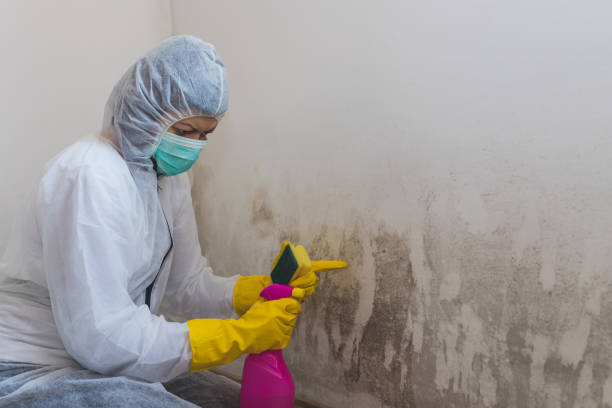
Flooded homes pose significant risks, not just in terms of structural damage but also due to the potential for mold growth. Mold is a naturally occurring fungus that thrives in damp and humid conditions, making a water-damaged home an ideal breeding ground. Beyond its unsightly appearance, mold can pose serious health risks and compromise the integrity of your property. Here’s what you need to know about how flooding contributes to mold problems and why addressing it promptly is critical.
How Flooding Creates a Perfect Environment for Mold
When water infiltrates your home—whether from natural disasters like floods or internal issues such as burst pipes—it creates an environment conducive to mold growth. Here are some key factors that encourage mold development:
– Humidity Levels: Excess moisture in the air after a flood increases humidity levels, which promotes rapid mold growth.
– Porous Materials: Carpets, drywall, wood, and upholstery absorb water quickly. These materials act as food sources for mold when damp.
– Stagnant Water: Areas where water pools or doesn’t evaporate provide an ideal location for spores to thrive.
– Lack of Light: Dark corners in basements or behind walls often remain damp after flooding, creating hidden zones for mold colonies.
Mold growth can begin within 24-48 hours after water damage occurs, making immediate action essential.
The Health Risks of Mold Exposure
Mold isn’t just a cosmetic issue; its presence can lead to serious health concerns for you and your family. Common health risks include:
– Respiratory Issues: Prolonged exposure to mold spores can trigger coughing, wheezing, and difficulty breathing, especially in individuals with asthma or pre-existing lung conditions. – Allergic Reactions: Symptoms like itchy eyes, skin rashes, nasal congestion, and sneezing are common among those sensitive to molds. – Toxic Effects: Some molds produce mycotoxins that may cause neurological symptoms or exacerbate chronic illnesses over time.
Vulnerable groups—including small children, seniors, and those with weakened immune systems—are at even greater risk when exposed to indoor mold.
Common Post-Flood Mold Hotspots
After a flood event, homeowners should inspect these areas where mold commonly thrives:
| Area | Risk Factor | Likelihood of Mold Growth |
|—————-|————————————-|—————————|
| Basements | High humidity levels | Very High |
| Carpets/Rugs | Absorb moisture quickly | High |
| HVAC Systems | Traps airborne spores | Moderate | | Bathrooms | Persistent dampness | High | | Furniture | Porous surfaces retain moisture | Moderate |
Why Time Matters
The faster water is removed from your home following flooding, the less likely it is that extensive mold growth will take hold. Delaying cleanup efforts allows moisture to seep into walls and floorboards where it becomes harder—and more expensive—to treat.
If faced with significant flooding or standing water in your home: 1. Remove standing water as soon as possible using pumps or wet/dry vacuums. 2. Increase ventilation by opening windows and running dehumidifiers. 3. Call professionals experienced in both water damage restoration and mold remediation.
Understanding the connection between flooding and mold helps minimize long-term damage while protecting both your property value and your family’s health.
Effective Mold Remediation Florida: Preventing Mold After Water Damage
Water damage can create the perfect environment for mold growth, which poses serious health risks and structural issues in a home. Repairing water damage effectively plays a crucial role in preventing mold infestations. Below, we’ll explore the essential steps and techniques used to repair water damage while minimizing the risk of mold.
Assessing the Extent of Water Damage
- Affected areas: Pinpointing where water intrusion has occurred, such as floors, walls, ceilings, or hidden cavities.
- Water category: Determining whether the water is clean (Category 1), gray (Category 2), or black (Category 3) to understand the level of contamination.
- Moisture levels: Using tools like moisture meters and thermal imaging cameras to locate hidden dampness that can lead to mold growth.
A detailed inspection ensures efficient planning and reduces the risk of overlooking areas that could harbor mold.
Immediate Water Extraction
- High-powered pumps for large volumes of water.
- Wet/dry vacuums for smaller pools or hard-to-reach spaces.
- Specialized extraction equipment for carpets or upholstered furniture.
Prompt extraction not only limits structural damage but also reduces humidity levels that could contribute to mold formation.
Drying and Dehumidification
- Air movers: Circulating air across surfaces to speed up evaporation.
- Dehumidifiers: Removing excess moisture from indoor air.
- Desiccant dehumidification systems: Particularly effective in colder climates where traditional methods may struggle.
The goal is to bring relative humidity levels below 60%, as higher levels encourage mold proliferation.
Cleaning and Sanitizing Damaged Areas
- Applying antimicrobial solutions on affected surfaces.
- Disinfecting nonporous materials like metal or plastic furniture.
- Removing porous items like rugs, drywall, or insulation if they are too saturated or damaged by contamination.
This step ensures a clean slate before beginning repairs while also addressing potential health hazards caused by bacteria or fungi present in floodwater.
Repairing Structural Damage
- Replacing compromised drywall panels, insulation, flooring materials, or wooden beams.
- Repainting walls with moisture-resistant paint if necessary.
- Rebuilding areas prone to leaks (e.g., roofing repairs) using durable materials designed for better water resistance.
Properly restoring these elements ensures your home remains protected against future leaks—and subsequent mold risks.
| Key Equipment | Purpose |
| Moisture Meters | Identifying hidden dampness |
| High-Powered Pumps | Extracting large volumes of standing water |
| Industrial Dehumidifiers | Controlling indoor humidity |
| Air Movers | Speeding up evaporation |
Final Inspection
Before declaring a repair job complete, professionals perform a final inspection to ensure all affected areas are dry and sanitized thoroughly. Testing air quality for excess moisture or microbial presence provides reassurance that your home is safe from lingering threats of mold infestation.
Repairing water damage isn’t just about aesthetics—it’s about safeguarding your home from long-term issues caused by unchecked moisture exposure while ensuring health safety through careful prevention measures against mold development.

Effective Mold Removal Services Florida Residents Need After Water Damage
Water damage can lead to significant mold problems if not addressed promptly and effectively. Mold thrives in damp environments, often forming within 24-48 hours of water intrusion. Acting quickly and taking the right steps can help prevent mold from taking hold in your home. Below is a guide to the immediate actions you should take following water damage.
1. Ensure Safety First
- Turn off electricity: Water and electricity are a dangerous combination. If water has intruded into areas with electrical wiring, shut off the power supply at your circuit breaker.
- Assess structural hazards: Check for weakened ceilings, sagging floors, or compromised walls before entering the affected area.
- Wear protective gear: Use gloves, boots, masks, and goggles to protect yourself from contaminated water or potential mold spores.
2. Stop the Source of Water
- Identify and stop the source of water intrusion (e.g., leaking pipes or damaged roofs).
- If necessary, turn off the main water supply to your home.
Promptly addressing the source prevents additional moisture buildup that could contribute to mold growth.
3. Remove Excess Water Immediately
- Use tools such as wet/dry vacuums, mops, or buckets to extract visible standing water.
- For larger volumes of water, consider contacting a professional restoration company equipped with industrial-grade pumps.
| Water Severity | Recommended Action |
| Small puddles or leaks | Towels/mops |
| Minor flooded rooms | Wet/dry vacuum |
| Extensive flooding | Professional extraction services |
4. Dry Affected Areas Thoroughly
- Increase air circulation by opening windows and using fans.
- Dehumidifiers are essential for reducing indoor moisture levels.
- Remove any wet carpeting or upholstery that cannot be dried effectively within 48 hours.
Place items outdoors if possible to dry under sunlight—a natural antimicrobial agent.
5. Remove Damaged Materials
- Cut out damaged drywall at least 12 inches above the visible watermark.
- Discard any soaked items that cannot be salvaged (e.g., papers or mattresses).
For nonporous surfaces like metal or tile flooring, clean thoroughly using detergent and warm water.
6. Monitor Humidity Levels
Invest in a quality hygrometer (humidity meter) as part of your cleanup process. Aim for indoor humidity levels between 30%-50%, as anything higher promotes mold growth. This step ensures that secondary problems do not arise even after initial cleanup efforts.
Final Thoughts on Immediate Action Steps
By following these proactive measures after experiencing water damage—ensuring safety first while acting swiftly—you can significantly reduce the risk of long-term problems like mold infestations in your home. Prevention begins with effective cleanup strategies paired with diligence in monitoring moisture levels over time.
Finding the Best Mold Removal Company Florida Residents Can Trust for Safe Removal
Mold is not only an aesthetic problem but also a potential health hazard. When faced with mold in your home, it can be tempting to tackle the issue on your own. However, attempting to remove mold without proper knowledge and equipment can lead to increased risks and complications. Here’s why leaving mold removal to professionals is the safest and most effective approach.
The Risks of DIY Mold Removal
- Spreading Spores: Disturbing mold during cleaning can release microscopic spores into the air, increasing the chance of contamination in other areas of your home.
- Health Hazards: Exposure to active mold spores can trigger allergic reactions, asthma attacks, or respiratory issues, especially for individuals with pre-existing conditions.
- Improper Cleaning: Many household cleaning products are not designed to kill mold effectively. Using bleach or similar substances may only remove visible surface growth while leaving spores behind.
- Structural Damage: Without addressing the root cause of moisture, DIY efforts may mask the problem temporarily but fail to prevent recurrence and further structural deterioration.
Why Mold Should Be Handled with Caution
| Mold Growth Factor | Explanation |
| Moisture Source | Mold depends on moisture from leaks, floods, or humidity levels above 60%. |
| Surface Type | Different materials (wood, drywall, carpeting) require tailored treatments. |
| Spore Behavior | Spores are easily airborne and can remain dormant until moisture reappears. |
Without addressing these factors comprehensively, any attempt at removal might exacerbate the issue.
Benefits of Hiring Professionals for Safe Mold Removal
- Accurate Assessment
Experts conduct thorough inspections using advanced equipment such as moisture meters and infrared cameras to locate hidden mold growth. - Containment Measures
To prevent cross-contamination, professionals set up containment barriers like negative air pressure systems and sealed workspaces during remediation. - Proper Remediation Techniques
Specialists use EPA-approved antimicrobial solutions tailored to specific surfaces while employing techniques such as HEPA vacuuming for spore removal. - Addressing Underlying Causes
Beyond removing visible growth, professionals identify and fix moisture sources (e.g., plumbing leaks or poor ventilation) to prevent recurrence. - Post-Treatment Verification
Air quality testing ensures that spore levels have returned to a safe range before declaring the space habitable again.
When Should You Call a Professional?
- Mold covering an area larger than 10 square feet
- Recurring signs despite previous cleaning efforts
- A musty odor that persists even after cleaning
- Individuals in your home experiencing unexplained health symptoms like allergies or respiratory irritation
Final Thoughts on Leaving Mold Alone
Attempting DIY solutions might seem cost-effective initially but often leads to greater expenses due to improper handling or repeated growth cycles. By entrusting this task to certified professionals trained in safe removal practices, you ensure long-term protection for both your property and your family’s well-being while minimizing risks associated with improper cleanup practices.
The Importance of Water Damage Restoration Florida Services for Your Home’s Safety
Mold growth in your home poses significant risks to both your health and property. While some homeowners may attempt to address mold issues on their own, professional mold removal services offer a more effective and safer solution for tackling this persistent problem. Below, we highlight why professional intervention is crucial when it comes to mold removal.
Health Risks of Mold Exposure
- Respiratory Issues: Prolonged exposure to mold spores can cause coughing, wheezing, and difficulty breathing.
- Allergic Reactions: Symptoms such as sneezing, skin rashes, and itchy eyes are common among people allergic to mold.
- Chronic Conditions: Those with asthma or compromised immune systems may experience worsening symptoms due to continuous exposure.
- Toxic Mold Risks: Certain types of molds, such as black mold (Stachybotrys chartarum), produce mycotoxins that can lead to severe health complications.
Trained professionals can identify the specific type of mold and take appropriate steps to mitigate these risks effectively.
Limitations of DIY Mold Removal
- Surface Cleaning vs. Root Removal: Mold often grows beneath surfaces (e.g., drywall or flooring). Cleaning visible patches does not eliminate hidden colonies.
- Lack of Proper Equipment: Professional-grade HEPA vacuums and air scrubbers are essential for capturing airborne spores that DIY tools cannot handle.
- Risk of Cross-Contamination: Disturbing mold without proper containment procedures may spread spores throughout your home.
For thorough removal that prevents recurrence, expertise and specialized equipment are necessary.
Advantages of Professional Mold Removal Services
- Professionals conduct in-depth inspections using advanced tools like moisture meters and infrared cameras.
- They identify not just visible signs but also hidden sources of moisture fueling the infestation.
- Experts establish containment zones with plastic sheeting and negative air pressure systems.
- This minimizes the spread of spores during the removal process.
- Specialists use antimicrobial treatments and safely remove contaminated materials such as drywall or carpet.
- Industrial-grade HEPA filtration systems ensure airborne contaminants are captured effectively.
- Professionals recommend measures like improving ventilation or repairing leaks to prevent future outbreaks.
- Post-remediation testing ensures all traces of mold have been eradicated before finalizing the process.
Cost vs. Long-Term Savings
| Potential Cost | DIY Approach | Professional Service |
| Recurring Mold Problems | High (due to incomplete cleanup) | Low (thorough remediation prevents regrowth) |
| Health Expenses | Risk increases from prolonged exposure | Reduced risk from proper containment |
| Property Damage Repairs | Higher likelihood without addressing root causes | Lower risk with expert intervention |
Investing in professional remediation protects both your property value and personal well-being over time.
Final Thoughts
Professional mold removal goes beyond surface cleaning by addressing underlying causes, preventing health risks, and ensuring long-term protection for your home. With specialized training, equipment, and proven methods at their disposal, experts provide peace of mind while restoring your living environment safely and efficiently.

Comprehensive Mold Inspection Florida Services: From Detection to Restoration
When dealing with water damage, it is critical to follow a structured restoration process to mitigate damage and prevent mold growth. Each step plays a vital role in ensuring your home is safe, dry, and habitable. Below, we outline the key steps involved in our restoration process.
1. Inspection and Assessment of Damage
- The extent of water damage.
- The type of water (clean, gray, or black) that caused the issue.
- Any potential safety hazards (e.g., electrical risks or structural instability).
A detailed assessment enables us to create a tailored plan for effective restoration.
2. Water Extraction: Removing Excess Water
- Standing water is removed promptly.
- Saturated materials like carpets or furniture are treated or discarded if necessary.
This step significantly reduces humidity levels, setting the stage for drying.
3. Drying and Dehumidification
- High-powered air movers are used to circulate air for faster drying.
- Dehumidifiers regulate indoor humidity levels to prevent excess moisture from accumulating.
We monitor progress using tools like hygrometers and moisture meters to ensure targets are met effectively.
| Step | Purpose | Key Tools Used |
| Water Extraction | Remove standing water | Pumps, wet/dry vacuums |
| Drying | Evaporate residual moisture | Air movers |
| Dehumidification | Control humidity levels | Industrial dehumidifiers |
4. Cleaning and Sanitization
- Surfaces are cleaned thoroughly using specialized agents.
- Antimicrobial treatments are applied where necessary to inhibit mold growth.
- Salvageable items are restored while unsalvageable ones are safely disposed of.
This ensures your space remains safe for occupancy after the restoration process.
5. Mold Remediation (If Required)
- Contaminated areas are isolated using physical barriers or negative air pressure systems.
- Mold colonies are carefully removed following industry standards.
- Treated areas are sealed to prevent future outbreaks.
6. Structural Repairs & Rebuilding
- Damaged materials like drywall panels or floorboards may need replacement.
- Structural reinforcements ensure that everything complies with safety codes.
Our goal is not just repair but also restoring your home’s functionality and aesthetic value.
Why Following Each Step Matters
Skipping any part of this comprehensive process increases the likelihood of hidden damages or recurring problems such as mold infestations. By addressing every aspect systematically—from extraction through rebuilding—we help restore your home efficiently while safeguarding its long-term integrity.
The Role of Proper Water Extraction and Evaporation in Mold Prevention
When dealing with water damage, one of the most crucial steps to prevent mold growth is ensuring proper water extraction and promoting effective evaporation. Mold thrives in moist environments, so addressing water issues swiftly and thoroughly is essential. Below, we explore the key aspects of water extraction and evaporation as a proactive approach to mold prevention.
Why Proper Water Extraction Matters
Water extraction is the process of removing excess moisture from your home following events like flooding, burst pipes, or leaks. If not addressed promptly, stagnant water can lead to:
– Structural Damage: Prolonged exposure to moisture can weaken walls, flooring, and support beams.
– Health Hazards: Damp conditions encourage mold spores to grow and spread quickly, potentially causing respiratory problems or allergic reactions for those exposed.
– Costly Repairs: Delayed action can result in more extensive damage that requires expensive remediation.
Effective water extraction ensures that standing water is removed from affected areas before it penetrates deeper into building materials where it becomes harder to remove.
Key Tools Used for Water Extraction
Professionals use specialized equipment for efficient water removal, including:
| Equipment | Purpose | |———————|————————————————————————-| | Industrial Wet Vacuums | Extracting standing water from carpets, floors, and other surfaces. | | Submersible Pumps | Removing large volumes of water quickly (especially after heavy flooding). | | Moisture Meters | Measuring residual moisture levels in walls or floors post-extraction. |
These tools allow technicians to identify areas where hidden moisture may remain trapped after visible pooling has been addressed.
Role of Evaporation in Mold Prevention
After extracting visible water, evaporation plays a critical role in drying out residual moisture within porous materials like drywall, wood framing, insulation, or carpeting. Simply removing standing liquid isn’t enough; damp materials can still foster microbial growth if proper drying measures are not implemented.
Effective Methods for Promoting Evaporation:
- Dehumidifiers – These devices reduce humidity levels by pulling moisture from the air.
- Air Movers/Blowers – High-powered fans circulate air across surfaces to accelerate evaporation.
- Temperature Control – Maintaining warm indoor temperatures facilitates faster drying.
- Ventilation – Opening windows (when outdoor conditions allow) enhances airflow and aids drying.
A combination of these methods typically yields the best results when attempting to dry out an affected space thoroughly.
Common Mistakes That Can Lead to Mold Growth
Even with good intentions, improper handling during the drying process increases mold risks:
– Neglecting Less Visible Areas: Failing to address hidden spaces such as wall cavities or underfloor layers may leave them vulnerable to mold colonization. – Using Household Fans Alone: Standard fans may circulate humid air without effectively removing it from the environment. – Delaying Action: Mold can start forming within 24–48 hours after moisture exposure if no action is taken.
By understanding these pitfalls and employing professional-grade solutions where needed, you can significantly reduce the likelihood of post-water damage mold outbreaks.
Proper water extraction combined with controlled evaporation processes serves as your first line of defense against potential mold infestations following any type of moisture-related incident in your home or property.
The Role of Proper Water Extraction and Evaporation in Mold Prevention
Proper water extraction and controlled evaporation are two critical steps in preventing mold growth after water damage. Without addressing these processes promptly and thoroughly, water damage can escalate into a serious mold infestation, leading to health risks and structural issues in a property. Below, we outline how proper water extraction and evaporation can help prevent mold growth effectively.
Why Water Extraction is Crucial
- Mitigating Structural Damage: Water that remains stagnant can weaken floors, walls, and foundations over time.
- Preventing Mold Colonization: Mold spores begin to grow within 24-48 hours of exposure to moisture.
- Reducing Secondary Contamination: Prolonged exposure to standing water can cause bacteria or toxins to spread.
Methods for Effective Water Extraction
- Used for significant amounts of standing water.
- Submersible pumps remove large volumes quickly.
- Suitable for small-scale leaks or localized pooling.
- Ideal for extracting water from carpets and tiled surfaces.
- Installed in basements or crawl spaces.
- Automatically remove accumulated groundwater during floods.
- Mop-and-Bucket Method (for minor issues):
- Applicable for slight spills but not recommended for large-scale damage.
The Role of Controlled Evaporation
Once surface-level water has been removed, addressing residual moisture is critical through controlled evaporation processes. Even minimal trapped moisture can serve as a breeding ground for mold spores if left unattended.
Tips for Promoting Proper Evaporation
- Use High-Volume Fans: Air movers circulate air throughout the space, speeding up drying times.
- Deploy Dehumidifiers: These devices reduce humidity levels by extracting moisture from the air.
- Increase Ventilation: Open windows and doors to allow airflow (if weather conditions permit).
- Raise Indoor Temperature with Heaters: Warm air holds more moisture than cool air, aiding evaporation when combined with dehumidifiers.
| Equipment | Purpose | Ideal Usage Area |
| High-Speed Air Movers | Enhanced airflow | Large rooms or open spaces |
| Commercial Dehumidifiers | Moisture reduction | Enclosed areas like basements |
| Infrared Heat Lamps | Spot-drying specific regions | Targeted areas like corner walls |
Monitoring Moisture Levels During Drying
- Moisture Meters: Measure dampness in walls, floors, or ceilings accurately.
- Thermal Imaging Cameras: Detect cold spots caused by trapped moisture behind surfaces.
Regular inspections during drying help ensure that all affected materials have reached safe humidity levels below 60%, significantly minimizing any chance of future mold development.
Benefits of Comprehensive Water Extraction & Evaporation
- Costly repairs due to recurring mold infestations.
- Health threats caused by airborne allergens produced by mold spores.
- Permanent structural degradation due to prolonged exposure to damp conditions.
Proactively managing both proper extraction and evaporation ensures your property remains safe, dry, and free from potential hazards associated with mold growth post-water damage events.
- Effective Mold Remediation Florida: Understanding the Link Between Water Damage Restoration and Mold Removal
- Effective Mold Remediation Florida Solutions: Best Cleaning Agents for Stain Removal
- 5 Essential Steps for Effective Mold Remediation Florida Homeowners Need to Know
- Comprehensive Guide to Mold Removal Services Florida: Costs, Factors, and Money-Saving Tips
- Effective Mold Removal Florida: Addressing Flooded Homes and Preventing Mold Growth
- Effective Tips for Mold Removal Florida Homeowners Need to Know
- 5 Vital Benefits of Hiring Professional Mold Remediation Florida Experts for a Safer Home
- Effective Mold Remediation Florida Tips: Ventilation and Moisture Control Strategies