
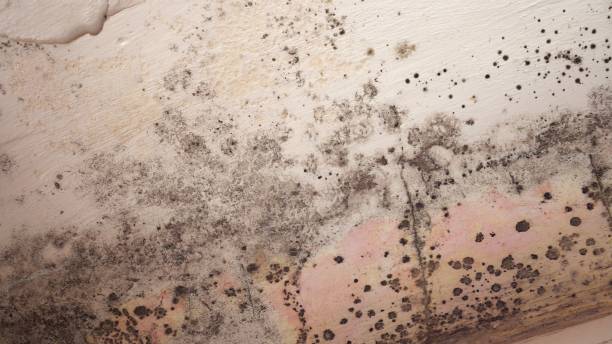
When it comes to mold removal, selecting the right biological cleaning agents is essential for effective stain removal without causing harm to the underlying surfaces. Biological cleaning agents are substances that utilize enzymes, bacteria, or other natural compounds to break down organic matter, such as mold spores and stains. Below, we explore key considerations and options to help you choose the most effective agents.
Characteristics of Effective Biological Cleaning Agents
- Biodegradability: A good biological cleaner should be eco-friendly and break down naturally without leaving harmful residues.
- Enzyme-based Action: Enzymatic cleaners are particularly effective at breaking down organic materials that promote mold growth, such as cellulose and protein compounds.
- Non-Toxic Formulation: The cleaner should be safe for humans, pets, and the surrounding environment without emitting harsh chemicals or fumes.
- Surface Compatibility: It should be effective on a wide range of surfaces like wood, concrete, drywall, tiles, or fabric.
Commonly Used Biological Cleaning Agents
- Actively break down organic residues at a molecular level.
- Suitable for porous and semi-porous surfaces like fabrics and wood.
- Contain beneficial bacteria that outcompete mold-causing microorganisms.
- Ideal for ongoing maintenance after initial mold removal.
- Use natural acids like citric acid or acetic acid to dissolve stubborn stains.
- Work well on hard surfaces like tiles but may not be suitable for delicate materials.
- Made from natural surfactants derived from plants such as coconut or soybeans.
- Effectively remove surface grime while being gentle on sensitive areas.
Steps for Using Biological Cleaners Safely
- Identify Mold-Affected Areas
Conduct a thorough inspection to locate visible stains and hidden spots prone to moisture buildup. - Prepare the Surface
Remove loose debris from the area using a dry cloth or vacuum equipped with a HEPA filter. - Apply the Cleaner
Follow manufacturer instructions regarding dilution rates and application methods (e.g., spraying or wiping). - Allow Dwell Time
Let the cleaning agent sit on the affected surface for 10–30 minutes depending on its formulation. - Rinse Thoroughly
Use clean water to rinse away any residue left by the cleaner. - Dry Completely
Ensure proper ventilation during drying to prevent residual moisture that could encourage future mold growth.
Considerations When Choosing a Product
| Factor | Importance | Example Questions |
| Surface Type | High | Is this product safe for porous materials? |
| Nature of Contamination | Medium | Does it target specific molds effectively? |
| Environmental Safety | High | Is this biodegradable and free of harmful chemicals? |
| Ease of Application | Medium | Is this ready-to-use or does it require complex preparation? |
By carefully evaluating these factors alongside product labels and reviews, you can select an appropriate biological cleaner tailored to your needs.
Using effective biological cleaning agents can simplify mold removal while minimizing damage to underlying surfaces. This environmentally friendly approach ensures long-term cleanliness when paired with routine inspections and preventive measures against moisture buildup.
Effective Solutions for Mold Removal Florida: Protecting Materials from Degradation
Mold growth and the release of volatile organic compounds (VOCs) can cause significant degradation to materials in residential, commercial, and industrial environments. This damage not only compromises the structural integrity of surfaces but may also lead to financial costs associated with repairs or replacements. Understanding how mold and VOCs interact with different materials is essential for effective mitigation strategies.
Understanding How Mold Removal Services Florida Can Protect Your Property
- Wood: Mold feeds on cellulose in wood, leading to discoloration, weakening of the structure, and eventual decay if left untreated.
- Drywall: Porous drywall acts as a nutrient reservoir for mold spores, causing softening and crumbling over time.
- Fabric: Clothing, upholstery, and curtains made from natural fibers such as cotton or wool are particularly vulnerable to mold consumption.
- Paper Products: Books, photographs, and other paper-based items become brittle and discolored when infested by mold.
In addition to the structural damage caused by enzymatic activity, mold growth often results in unpleasant odors due to metabolite production.
How a Mold Removal Company Florida Can Help Prevent Material Degradation
- Chemical Reactions: VOCs can react with certain materials like plastics or paints, resulting in discoloration or weakening of their chemical structure.
- Odor Accumulation: Persistent exposure to VOC-related odors can make upholstered furniture or carpets unusable even after cleaning.
- Long-Term Wear: Extended interaction between VOCs and sensitive surfaces accelerates aging effects on materials like rubber or vinyl.
Understanding Water Damage Restoration Florida: Impact on Common Building Materials
| Material | Susceptibility Level | Typical Damage Observed |
| Wood | High | Warping, rotting, discoloration |
| Drywall | High | Softening, crumbling |
| Concrete | Moderate | Surface staining; minor etching over time |
| Glass | Low | Minimal visual impact; no structural damage |
| Plastics | Moderate | Discoloration; loss of flexibility |
Effective Mold Inspection Florida Tips to Prevent Degradation
To minimize material degradation due to mold growth and VOC emissions:
– Maintain low indoor humidity levels (ideally below 50%) using dehumidifiers or proper ventilation systems. – Inspect vulnerable areas regularly—especially basements, attics, or crawl spaces—for early signs of moisture accumulation. – Seal porous building materials with protective coatings that limit their ability to absorb water. – Remove existing molds promptly using appropriate cleaning agents tailored specifically for your material type.
Understanding how mold interacts with different surfaces provides valuable insights into preventing long-term damage while safeguarding indoor air quality from harmful VOC emissions. By addressing both biological activity (mold growth) and chemical outputs (VOCs), property owners can develop more effective strategies for material preservation over time.
Identifying Fungal and Bacterial Species Responsible for Mold Growth on Various Surfaces
Mold growth is not a uniform process; it is influenced by various fungal and bacterial species that thrive under specific environmental conditions. Understanding the species responsible for mold proliferation on different surfaces can inform more effective remediation strategies and tailored cleaning approaches. This section delves into the common fungal and bacterial species involved in mold growth, their preferred environments, and the surfaces they most commonly colonize.
Common Fungal Species Associated with Mold Growth
- Found in: Damp areas such as basements, kitchens, and bathrooms
- Potential Health Risks: Allergic reactions, respiratory issues, exposure to aflatoxins (in some strains)
- Common Surfaces: Drywall, insulation materials, carpets
- Found in: Cool or moderate temperatures with high levels of moisture
- Potential Health Risks: Allergies, asthma aggravation
- Common Surfaces: Wallpaper, fabrics, wood
- Found in: Consistently moist areas such as under leaky pipes or water-damaged walls
- Potential Health Risks: Toxic mycotoxin production leading to severe respiratory symptoms
- Common Surfaces: Gypsum board (drywall), ceiling tiles
- Found in: Indoor and outdoor environments; tolerates colder climates compared to other molds
- Potential Health Risks: Skin irritation, sinus infections in vulnerable individuals
- Common Surfaces: Painted surfaces, wooden furniture, HVAC ducts
Bacterial Species Linked to Mold Colonization
- Role: Enhances biofilm development on moist surfaces
- Environment: Found on wet or humid substrates
- Impacts: Speeds up surface decomposition when combined with molds
- Role: Can thrive alongside fungi on damp walls or textiles
- Environment: Warm indoor conditions
- Impacts: Deteriorates organic materials over time
Impact of Surface Material on Microbial Colonization
| Surface Material | Susceptible Microbes | Primary Issues | Prevention Tips |
| Drywall | Aspergillus, Stachybotrys | Weakens structural integrity | Use moisture-resistant drywall |
| Wood | Penicillium | Warping due to moisture absorption | Apply protective sealants |
| Fabrics | Cladosporium | Discoloration & odor | Wash regularly; ensure proper ventilation |
| Concrete | Pseudomonas | Minor damage when left damp | Seal cracks; prevent prolonged water contact |
Why Identification Matters
Identifying specific microbes enables targeted remediation efforts. For example: 1. Using antifungal agents like borates is particularly effective against Stachybotrys. 2. Incorporating antibacterial products can reduce biofilm-forming bacteria like Pseudomonas. 3. Adjusting humidity levels below thresholds that support common molds (e.g., <60% relative humidity) reduces overall microbial activity.
By understanding microbial dynamics across surface types and environments, property owners and professionals can improve remediation outcomes while prolonging material lifespan through informed decision-making practices.
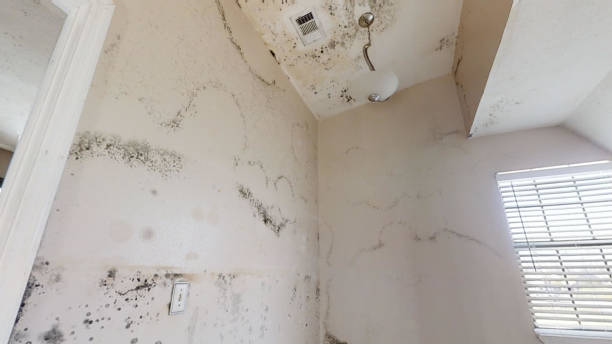
Evaluating Experimental Results of Mold Removal Techniques and Their Effectiveness
To successfully address mold issues, it is crucial to evaluate the effectiveness of different mold removal techniques. This assessment ensures appropriately targeted solutions for removing mold stains while minimizing potential damage to affected materials. An evidence-based approach, supported by experimental observations, helps identify the most efficient methods for handling various types of mold infestations.
Key Factors in Evaluating Mold Removal Techniques
- Type of Surface: Porous (e.g., drywall, wood) or non-porous (e.g., glass, metal) surfaces require distinct cleaning methodologies.
- Severity of Infestation: Light surface growth differs in treatment compared to deep-seated mold colonies.
- Mold Species: Some species (like Stachybotrys chartarum) are more resilient due to their ability to thrive in damp and nutrient-rich conditions.
- Safety Concerns: The safety profile of cleaning agents for users and the environment must be considered.
- Post-Cleaning Residue: Effective techniques should reduce or eliminate residues that might promote regrowth.
Experimental Results at a Glance
| Technique | Effectiveness on Porous Surfaces | Effectiveness on Non-Porous Surfaces | Environmental Impact | Cost Efficiency |
| Chemical Cleaners | Moderate | High | Low | Moderate |
| Biological Cleaning Agents | High | High | High | Moderate |
| Mechanical Cleaning | Low | Moderate | Neutral | Low |
| Dry Ice Blasting | High | High | Neutral | High |
Biological Cleaning Agents vs. Chemical Solutions
- Reduced toxicity levels for humans and pets
- Minimized risk of environmental contamination
- Higher compatibility with sensitive surfaces like untreated wood or fabrics
However, biological agents may require longer application times compared to chemical alternatives.
Best Practices for Using Mold Removal Techniques
- Identify the type of material impacted by mold.
- Determine the extent and depth of mold penetration.
- Use mechanical tools like brushes or vacuums for initial loose spore removal on non-sensitive surfaces.
- Apply targeted biological or chemical agents depending on surface type.
- Conduct patch tests before treating large areas to avoid adverse reactions or material degradation.
- Verify complete removal using moisture meters or UV light detection where applicable.
- Address any signs of remaining spores promptly.
Evaluating experimental results highlights that no single technique is universally effective across all scenarios. A tailored combination based on specific circumstances often yields optimal results while preserving material integrity and ensuring safety standards are met.
Step-by-Step Screening of Biological Cleaning Agents and Their Applications for Mold Removal
Mold removal, particularly on porous and nonporous surfaces, requires careful consideration of cleaning agents to ensure thorough eradication without damaging the underlying material. Biological cleaning agents, derived from enzymatic or microbial activity, have shown promise in this area due to their environmental safety and effectiveness. This section provides a step-by-step guide for screening biological cleaning agents and applying them efficiently for mold removal.
Step 1: Understand the Nature of Mold Stains
Before choosing a biological cleaning agent, it is important to identify:
– The type of mold present (e.g., Aspergillus, Stachybotrys).
– The surface material affected (wood, concrete, fabric).
– The extent of the mold penetration (superficial or deep-seated).
A proper assessment ensures that the selected agent is suited to both the mold species and the type of surface.
Step 2: Evaluate Biological Cleaning Agent Properties
| Criteria | Description |
| Enzymatic Activity | Ability to break down mold cell walls and stains effectively. |
| Biodegradability | Eco-friendly composition that leaves no harmful residues after application. |
| Surface Compatibility | Non-corrosive properties to prevent damage on fragile or porous materials. |
| Toxicity Levels | Safety for humans and pets during application. |
Agents containing proteases, lipases, or amylases often work well because they degrade proteins and carbohydrates found in mold structures.
Step 3: Conduct Small-Scale Testing
Before full-scale application, test the chosen biological cleaner on an inconspicuous area of the surface. Observe its effect on both:
1. Mold removal efficiency.
2. Surface integrity post-cleaning.
Document any residue buildup or discoloration during this phase.
Step 4: Application Techniques for Optimal Results
- Prepare the Surface: Remove loose debris or dust using a soft brush or vacuum cleaner with a HEPA filter before applying any solution.
- Dilute as Recommended: Many biological cleaners require dilution based on manufacturer guidelines.
- Apply Evenly: Use a sprayer or soft cloth to distribute the solution uniformly over the affected area.
- Allow Dwell Time: Let the agent sit for 10–30 minutes (as indicated) to permit enzymatic action against mold structures.
- Scrub Gently: For stubborn stains, use a soft-bristled brush with light pressure.
- Rinse Thoroughly: Remove residues with clean water if recommended by product instructions.
Step 5: Monitor Post-Cleaning Results
After treatment, monitor for any recurring stains or odors indicative of incomplete remediation efforts: – Inspect surfaces weekly over a month-long period. – Use moisture meters to identify areas still prone to humidity.
In cases where issues persist despite treatment, reassess environmental conditions like ventilation and humidity levels that may promote regrowth.
This systematic approach ensures effective selection and application of biological cleaning agents while safeguarding surface longevity through minimal chemical impact.
Comprehensive Analysis of Post-Cleaning Material Properties After Mold Removal
When addressing mold infestations, the focus often lies on effective removal methods. However, an equally critical aspect is the condition of materials after cleaning. This analysis explores how various surfaces respond to mold removal and evaluates the long-term impact on their structural and aesthetic properties.
Understanding Material Sensitivity to Mold Removal
| Material Type | Sensitivity Level | Common Issues Post-Cleaning |
| Porous Surfaces | High | Staining, weakened structure |
| Non-Porous Surfaces | Low | Minimal changes; potential discoloration |
| Semi-Porous Surfaces | Medium | Partial absorption leading to residue or stains |
Effects of Chemical Cleaning Agents
- Pros: Effective at killing surface mold.
- Cons: Can cause discoloration in fabrics and wood; may weaken certain plastics over time.
- Pros: Good for non-porous surfaces like glass or tiles.
- Cons: Strong chemical odor; risk of surface etching on delicate materials.
- Pros: Safe for use on most surfaces; less toxic than bleach.
- Cons: May not penetrate deeply into porous materials.
Impact of Biological Cleaning Agents
Biological cleaning agents, especially enzyme-based solutions, are considered eco-friendly alternatives for mold removal. They are designed to break down organic matter without harming treated surfaces significantly. While they tend to preserve material integrity better than harsh chemicals, their effectiveness often depends on proper application and dwell time.
Key benefits include: – Reduced risk of discoloration or surface damage. – Decreased likelihood of weakening structural bonds in porous materials. – Minimal environmental footprint compared to traditional chemical cleaners.
Evaluating Post-Cleaning Integrity
- Check for residual staining or discoloration.
- Look for signs of material warping or weakening.
- Evaluate stress resistance in affected areas, particularly for textiles or wooden structures.
- For porous surfaces like drywall, ensure no significant water absorption occurred during cleaning that might lead to further damage over time.
- Use a moisture meter to verify that treated areas have fully dried post-cleaning—this prevents conditions conducive to regrowth.
- Repainting walls or refinishing wooden surfaces may be necessary after cleaning if discoloration remains visible.
Best Practices for Maintaining Material Quality After Cleaning
To ensure long-term preservation following mold removal: – Always select cleaning agents compatible with the specific material type. – Conduct spot testing in inconspicuous areas before full application. – Implement preventive measures such as dehumidification and proper ventilation to discourage future mold growth.
By carefully selecting appropriate cleaning methods and conducting thorough post-cleaning evaluations, it is possible not only to eliminate mold but also maintain the integrity and longevity of affected materials effectively.
- Effective Mold Remediation Florida: Understanding the Link Between Water Damage Restoration and Mold Removal
- Effective Mold Remediation Florida Solutions: Best Cleaning Agents for Stain Removal
- 5 Essential Steps for Effective Mold Remediation Florida Homeowners Need to Know
- Comprehensive Guide to Mold Removal Services Florida: Costs, Factors, and Money-Saving Tips
- Effective Mold Removal Florida: Addressing Flooded Homes and Preventing Mold Growth
- Effective Tips for Mold Removal Florida Homeowners Need to Know
- 5 Vital Benefits of Hiring Professional Mold Remediation Florida Experts for a Safer Home
- Effective Mold Remediation Florida Tips: Ventilation and Moisture Control Strategies